Grand Bay
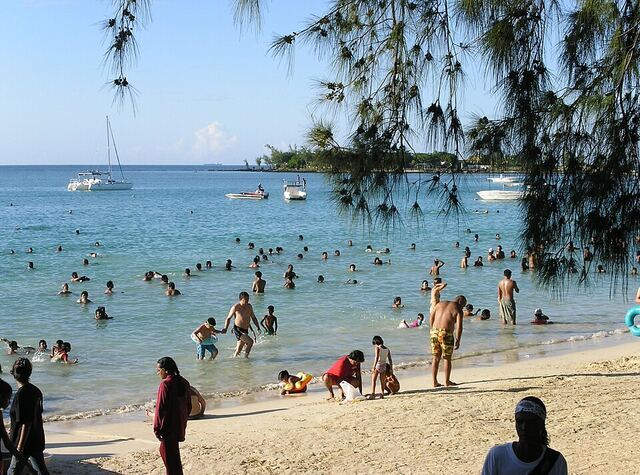
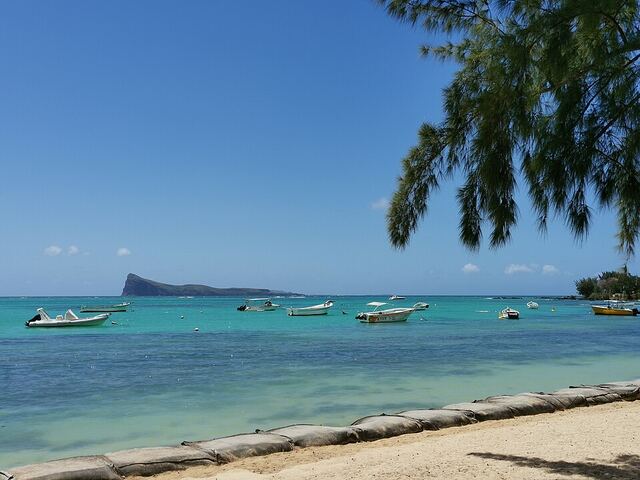
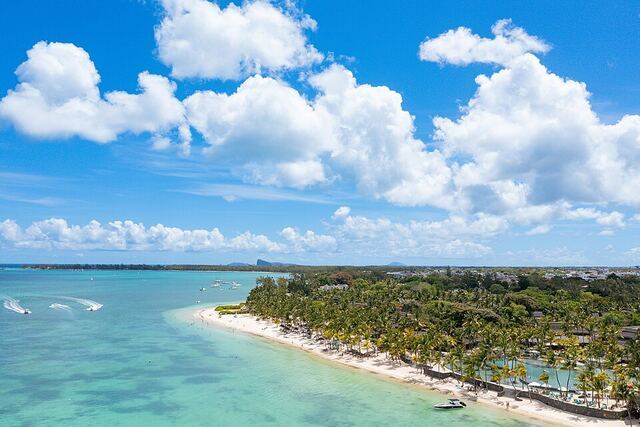
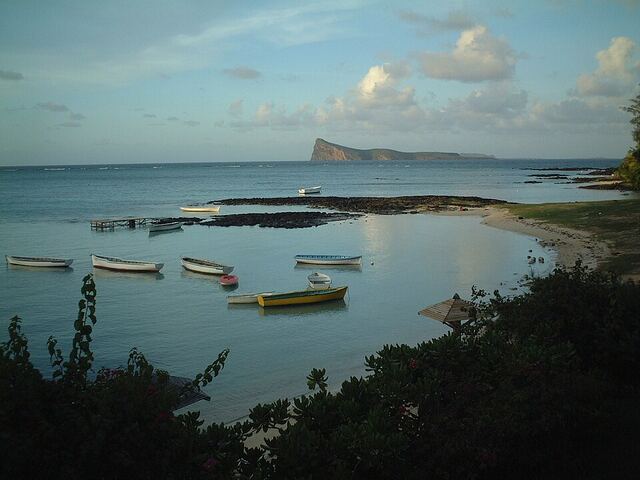
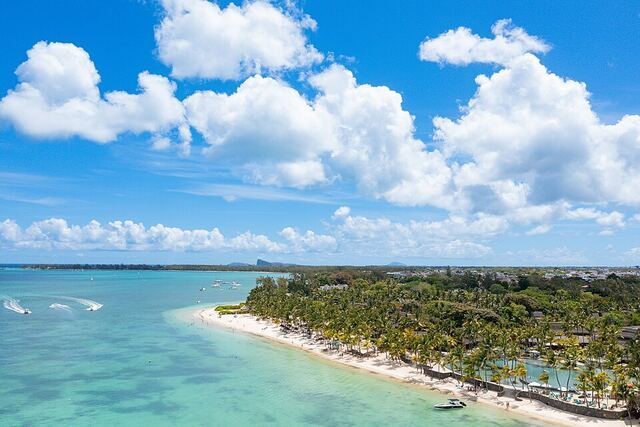
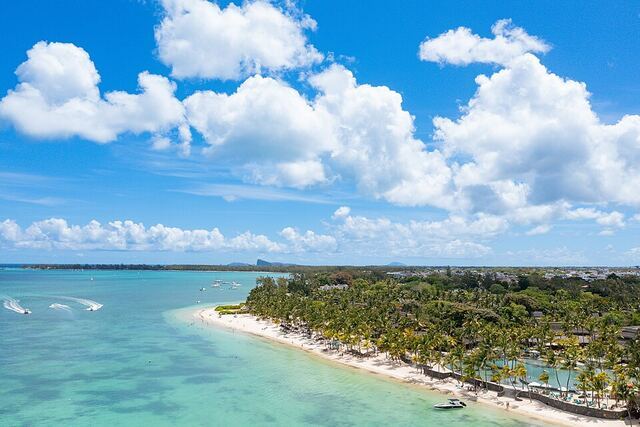
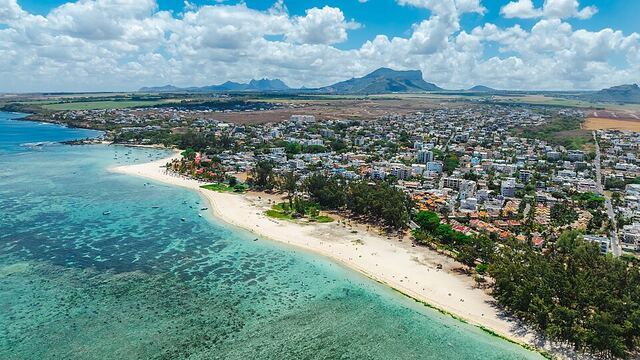
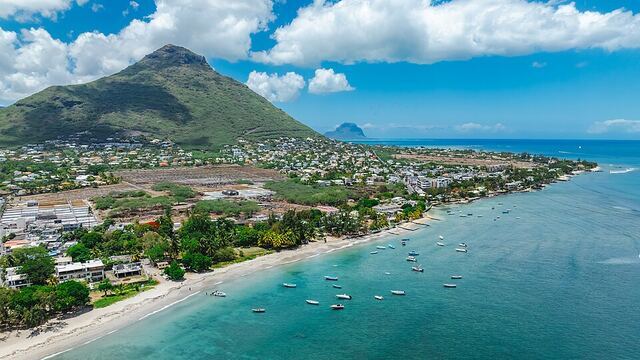
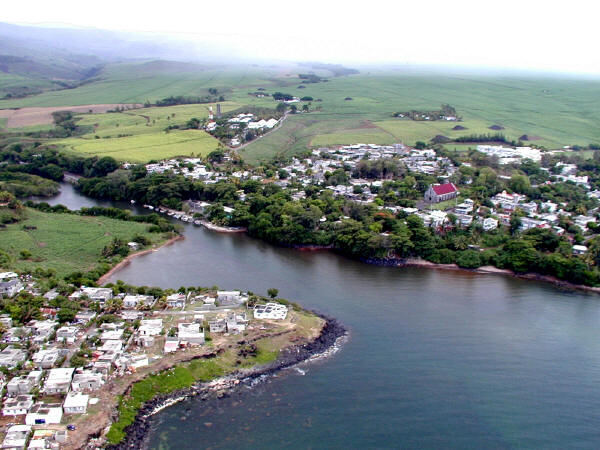
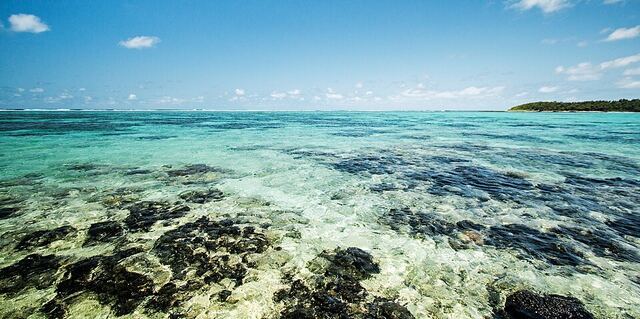
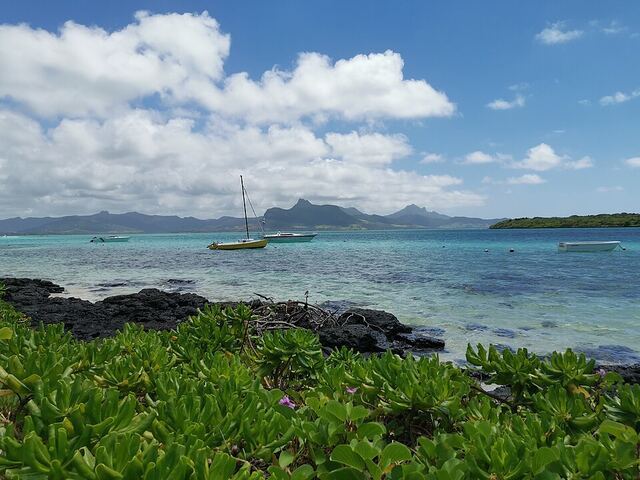
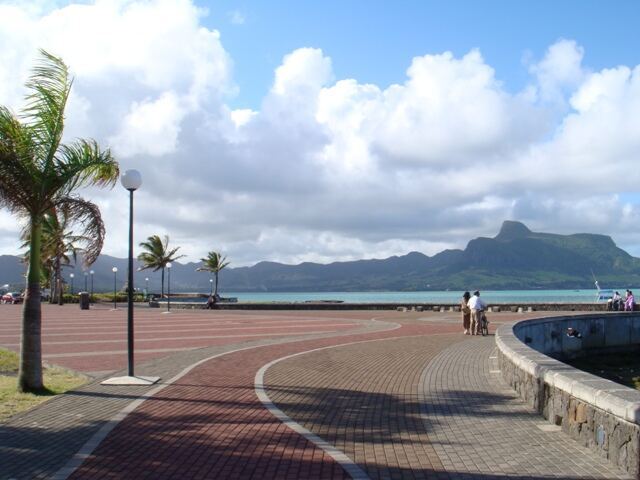
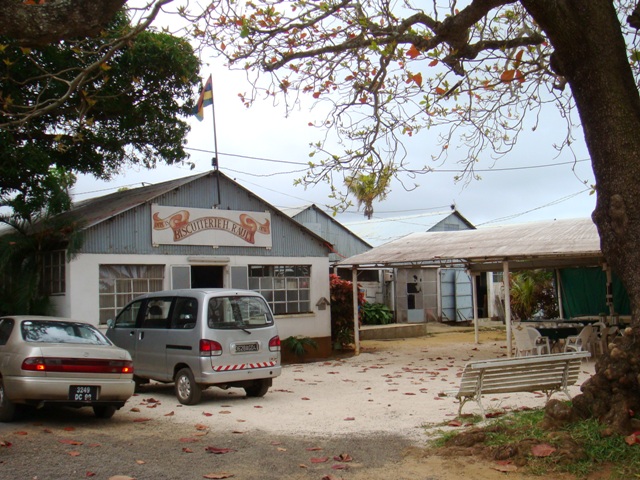
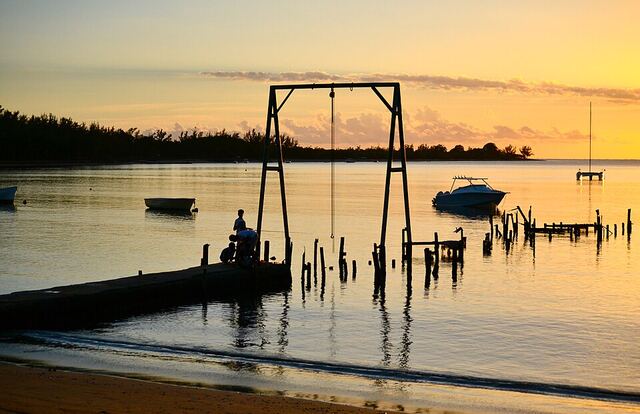
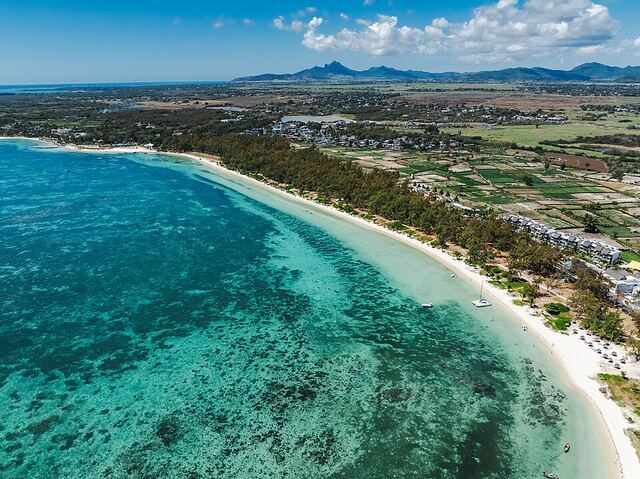
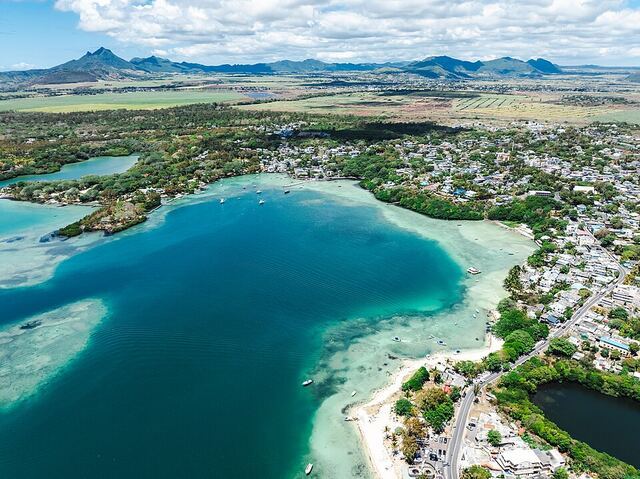
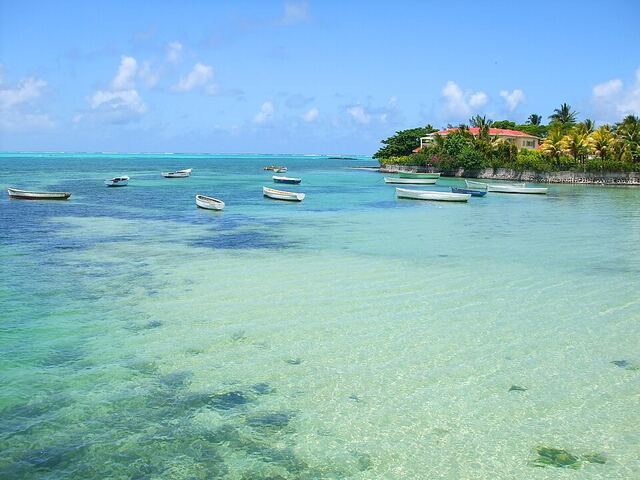
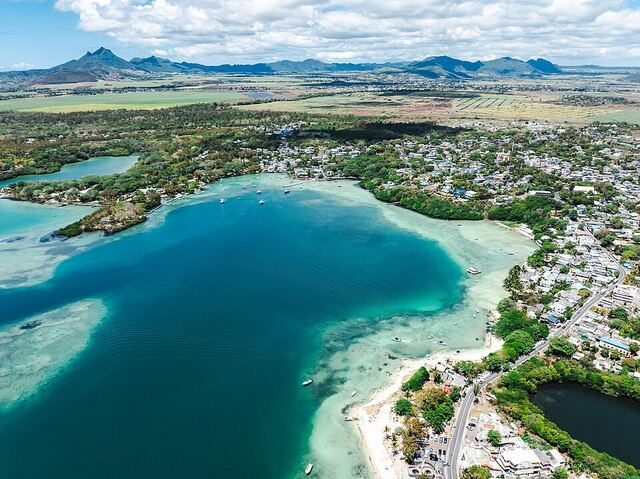
The island's liveliest seaside town: restaurants, shops and bars around a turquoise bay from which most northern-island excursions depart. The ideal base for the whole north coast.
111 geolocated places (beaches, waterfalls, viewpoints, temples, hikes) plus ready-made driving itineraries for 3 to 14 days. Everything is within reach with a rental car: no point on the island is more than 1h30 away.
Estimated visit time and entry price for each place (adult rate). Free places are marked as such.

The island's liveliest seaside town: restaurants, shops and bars around a turquoise bay from which most northern-island excursions depart. The ideal base for the whole north coast.

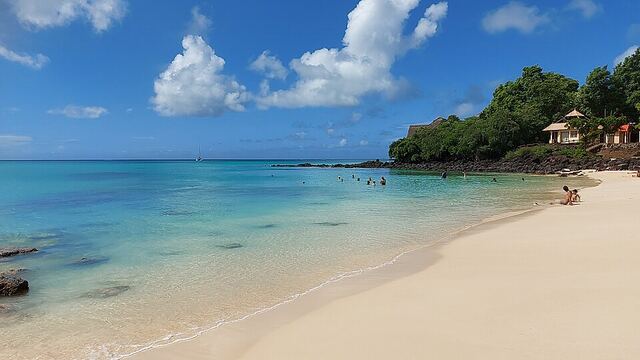
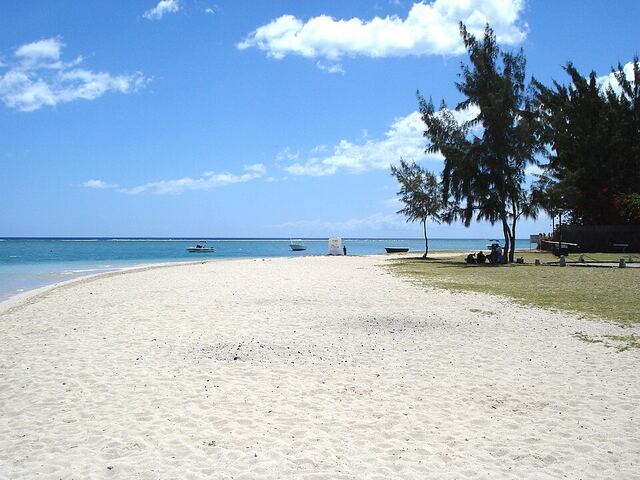
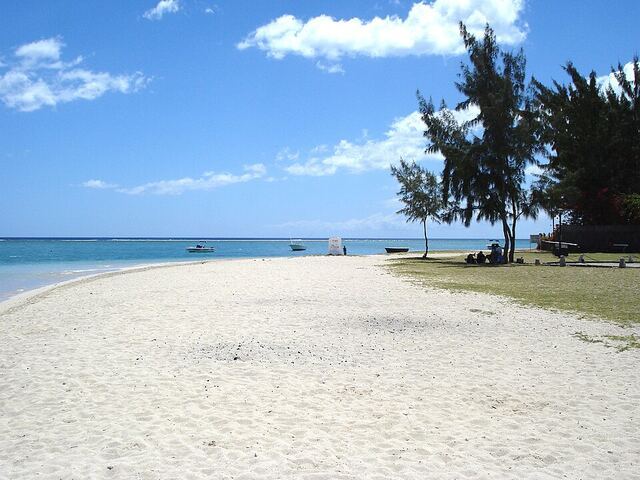
A small golden-sand cove tucked between two rocky points north of Grand Baie. Deep, clear water, perfect for swimming, more intimate than the big beaches nearby.

Rated one of Mauritius's best swimming beaches: a compact cove of brilliant sand and deep, intensely blue water. Ice-cream sellers, snacks and casuarinas complete the postcard.

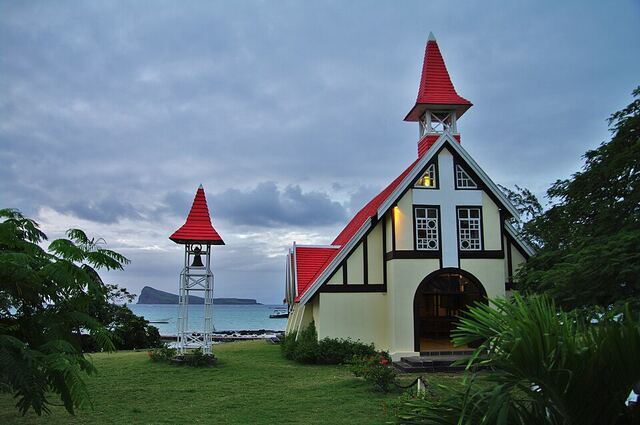
The famous red-roofed chapel facing the lagoon, with Coin de Mire as a backdrop: one of the most photographed views in Mauritius. The village marks the island's northernmost point.

A strip of white sand between Pereybère and Cap Malheureux, with an unbeatable view of Coin de Mire. Little known to tourists, its calm shallow lagoon is perfect with children.

A large shallow lagoon swept by the trade winds, between Cap Malheureux and Grand Gaube. A noted kitesurf spot and a quiet picnic corner away from the crowds.

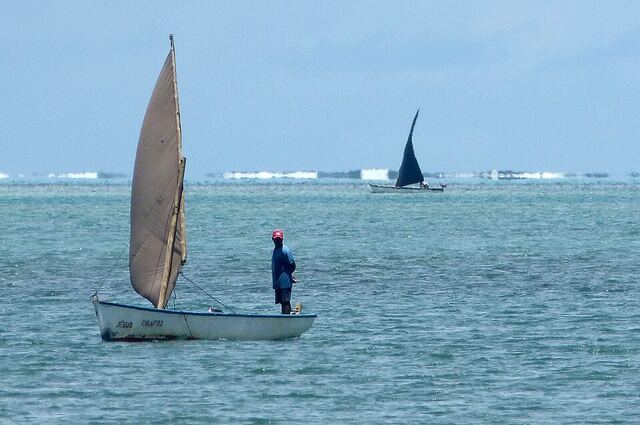
An authentic fishing village untouched by mass tourism, with a public beach lined with colourful boats and views of the northern islands. Departure point for Amber Island trips.

Nearly two kilometres of fine sand shaded by casuarinas, regularly ranked among the Indian Ocean's finest beaches. Its shallow turquoise lagoon is ideal for swimming and snorkeling.

A huge crescent of white sand running from Trou aux Biches to Pointe aux Canonniers, backed by a casuarina grove. Calm water and spectacular sunsets: an absolute northern classic.

A chic peninsula between Mont Choisy and Grand Baie, a former French battery with a few remaining cannons and an old lighthouse. Secret little coves and fine snorkeling spots.

A quiet coastal village famous for its lagoon where sea turtles come to graze. One of the best shore-accessible snorkeling spots in Mauritius.

The southern hemisphere's oldest botanical garden (1770), world-famous for its giant Victoria amazonica water lilies and talipot palms. Shady avenues, spices, baobabs and giant tortoises.

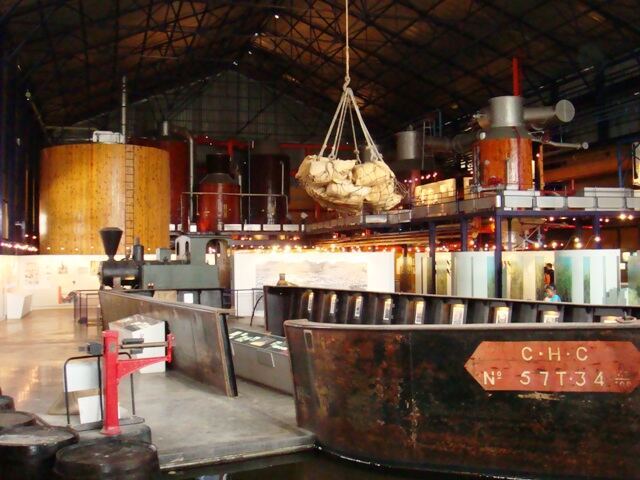
In the old Beau Plan sugar mill, this modern museum tells 250 years of Mauritian history through sugar cane, slavery and indenture. Special-sugar and rum tasting at the end.

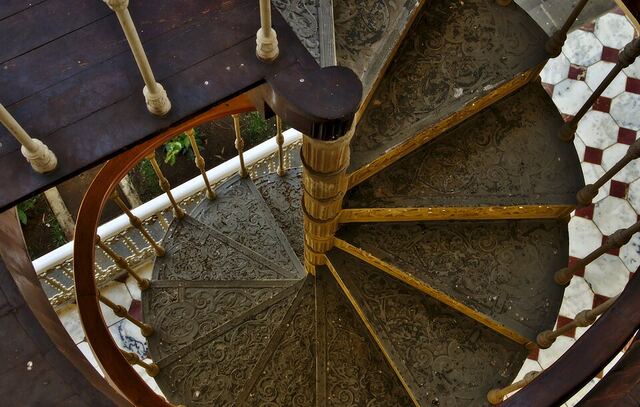
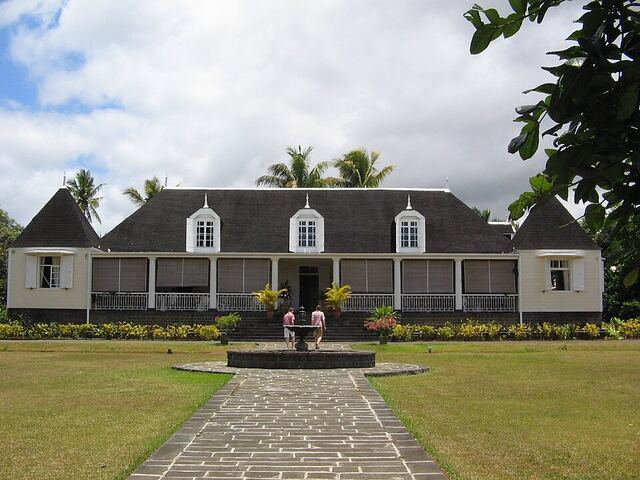
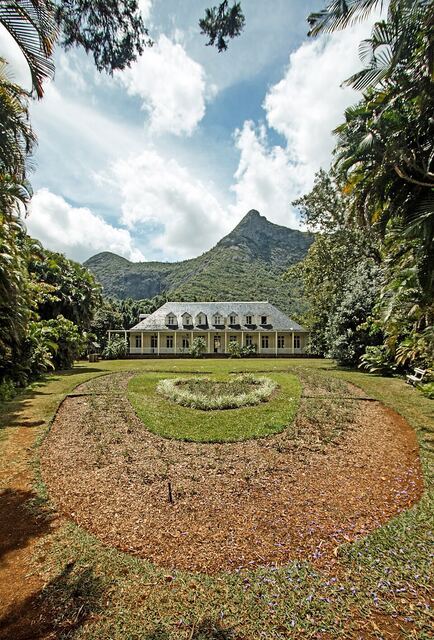
A superb 1859 colonial mansion restored with period furniture, surrounded by century-old orchards and a craft distillery. A dive into the lifestyle of the great sugar families.

A big trading town in the north-east, far from the tourist circuits: bustling bazaar, fabric shops and Indo-Mauritian street food. The north's best place to feel local life.

A peaceful, history-laden fishing village: the Saint-Géran sank offshore in 1744, the wreck that inspired 'Paul et Virginie'. A memorial faces the lagoon with Amber Island on the horizon.

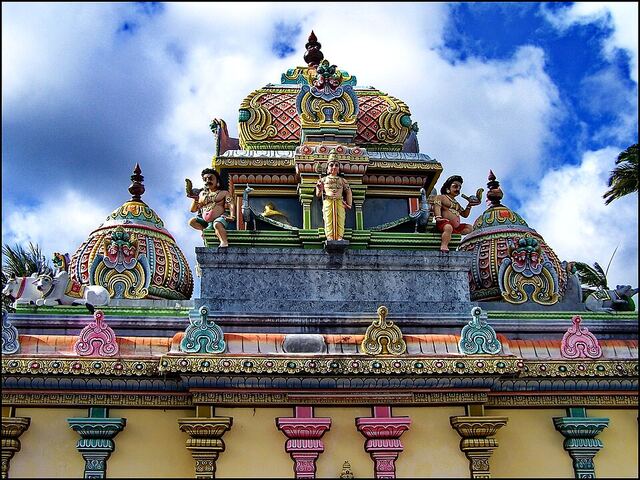
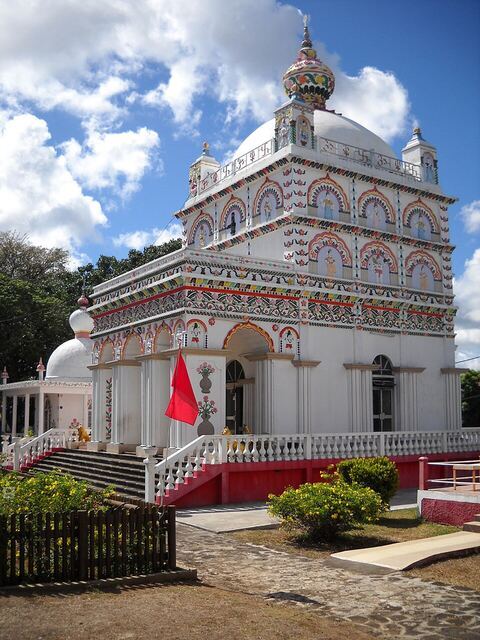
The largest and one of the oldest Hindu temples in Mauritius (1888), dedicated to Shiva, in the heart of Triolet. Carved towers, colourful deities and a peaceful air: a fine Indo-Mauritian immersion.

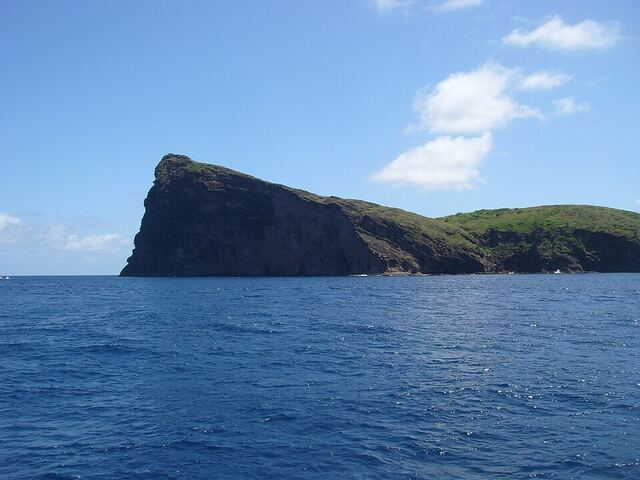
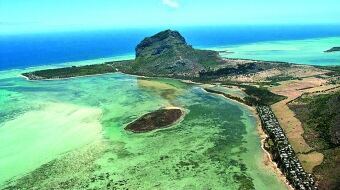
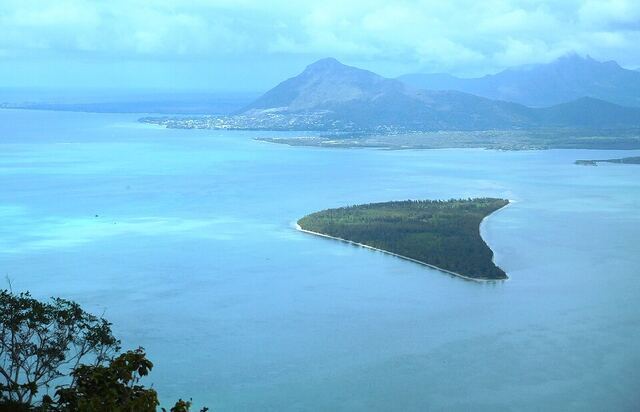
A spectacular wedge-shaped islet 4 km off Cap Malheureux, a no-landing nature reserve. Tropicbird cliffs and some of the north's finest dive waters.

11 km north of Mauritius, this island topped by a 19th-century lighthouse shares a crystal lagoon with Gabriel Island. A former quarantine station, visited on day catamaran trips.

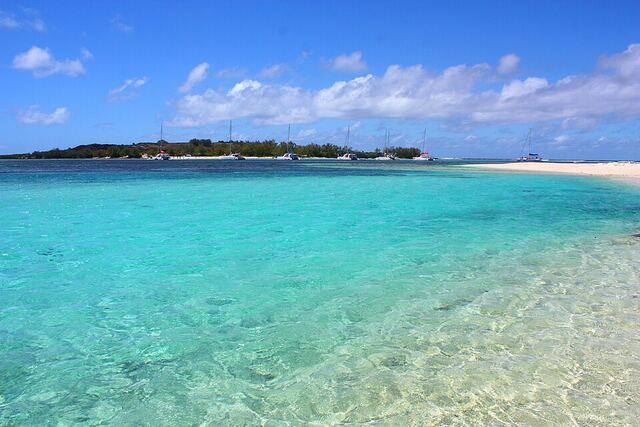
A little paradise of white sand and translucent water next to Flat Island, goal of the north's finest catamaran trip. Swimming, lagoon snorkeling and BBQ on board: the ultimate castaway day.

A wild mangrove-ringed island in the north-east lagoon, off Poudre d'Or, famous for the Saint-Géran shipwreck. Explored by clear kayak or paddleboard along mangrove channels.

From the Grand Baie jetty, sail past Coin de Mire and its tropicbirds, then anchor between Flat and Gabriel Islands: crystal-water snorkeling and BBQ on board.

Over 20 sites within a 20-minute boat ride: wrecks, drop-offs and coral gardens between 12 and 30 m. Many PADI centres, calm conditions year-round and 25-30 m visibility.
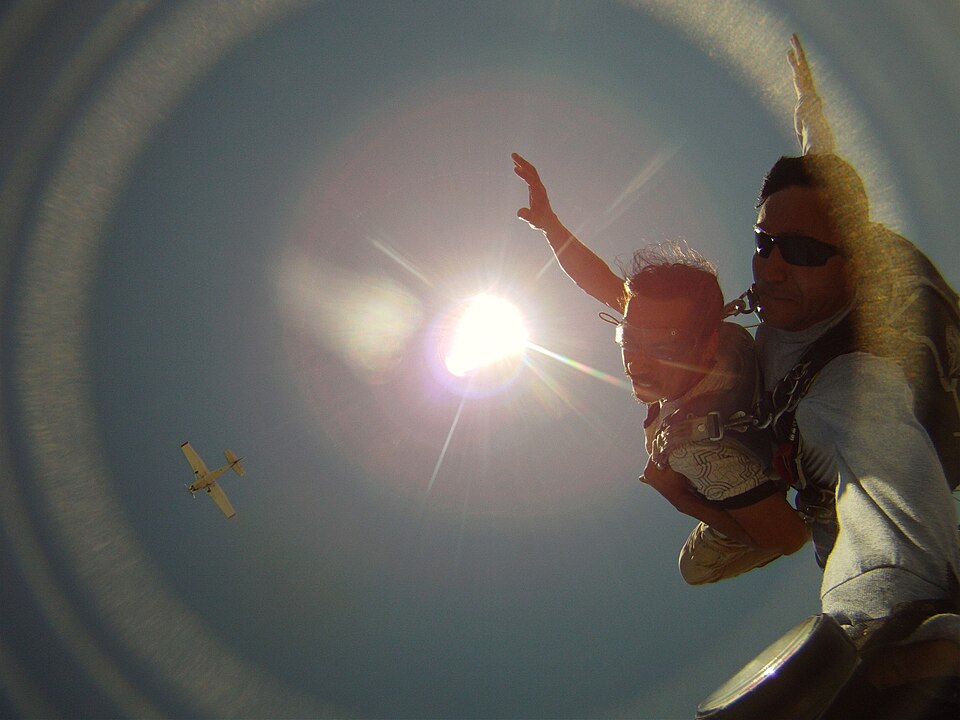
Tandem jump from 10,000 ft above the Mon Loisir cane fields: 30 seconds of freefall at 200 km/h, then a canopy ride facing the turquoise lagoons of the north coast. One of the most spectacular drop zones in the Indian Ocean.

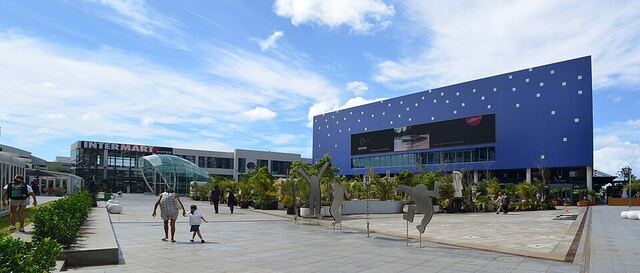
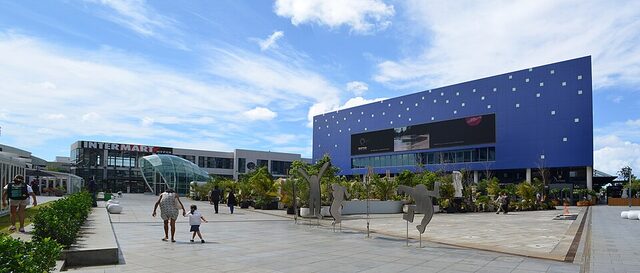
The North's main shopping mall, in the heart of Grand Baie: fashion galleria, restaurants, cinema and air-conditioned food court. The practical counterpart to the Grand Baie bazaar, and a welcome refuge when rain hits the northern beaches.

The Indian Ocean's only real tourist submarine: a comfortable dive to 35 m from Trou aux Biches, among corals, turtles and a wreck. For everyone, and you stay dry.

A scenic flight over the lagoons, mountain cirques and above all the famous 'underwater waterfall' off Le Morne, an optical illusion visible only from the sky.
The west coast's open-air shopping village between Flic en Flac and Tamarin: shops, a supermarket and restaurants in an airy setting. The natural supply stop for holidaymakers staying out west.

The west coast's longest beach: 8 km of white sand lined with casuarinas along a reef-protected turquoise lagoon. Grand sunsets, easy snorkeling and a local weekend vibe.

The legendary bay where the Tamarin river meets the ocean, cradle of Mauritian surfing since the 70s. Volcanic-sand beach, beginner-friendly waves and a superb view of Rempart mountain.

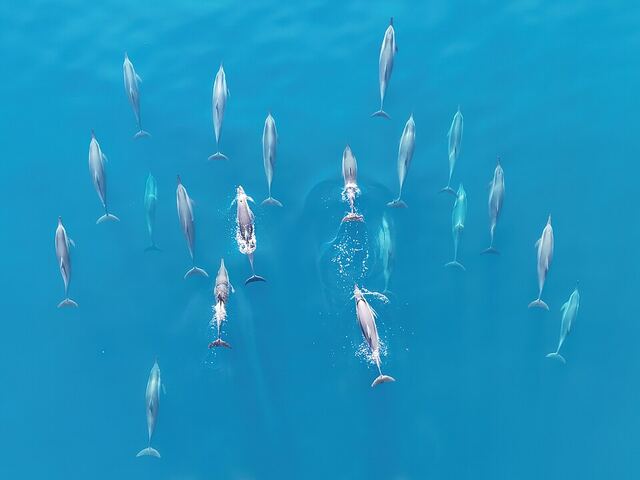
Every morning, pods of spinner and bottlenose dolphins come to rest in Tamarin and Black River bays. The dawn boat trip, sometimes with a swim, is the west coast's signature experience.

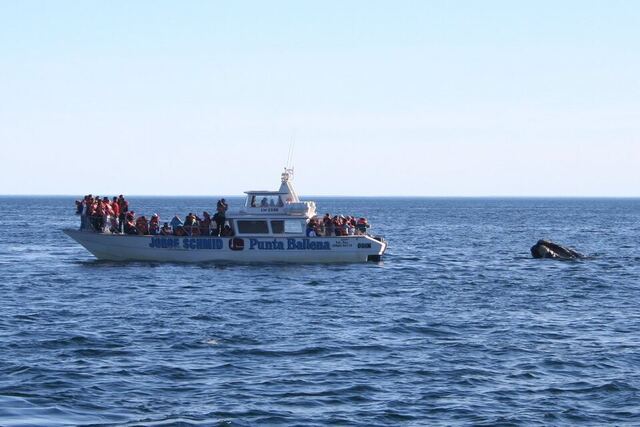
An open-sea trip beyond the reef from Tamarin: migrating humpbacks July-October, resident sperm whales visible year-round thanks to the west coast's deep drop-off.

A quiet Black River beach with one of the best views of Le Morne mountain, especially at sunset. Basalt-flecked sand, calm water and a peaceful residential feel.

A remarkably preserved 1834 British defence tower, now a small museum on the abolition of slavery and Indian Ocean piracy. A short but fascinating guided visit.

Mauritius's big-game fishing capital, this lagoon village is home port for the west coast's dolphin, marlin and sailing trips. Marina, waterside restaurants and a laid-back vibe facing Le Morne.

From La Balise Marina, chase blue marlin, yellowfin tuna, dorado and wahoo on the drop-off, just minutes from port. Mauritius hosts the Marlin World Cup every year.

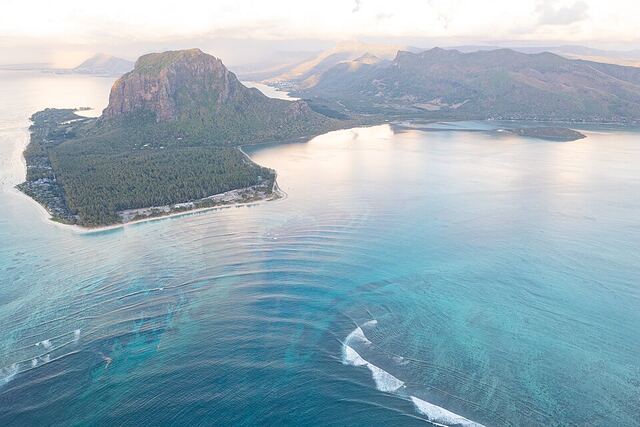
A 556 m basalt monolith and UNESCO World Heritage site, refuge of the maroon slaves whose symbol it became. The climb (3-4h return) rewards you with dizzying views over Mauritius's most photogenic lagoons.

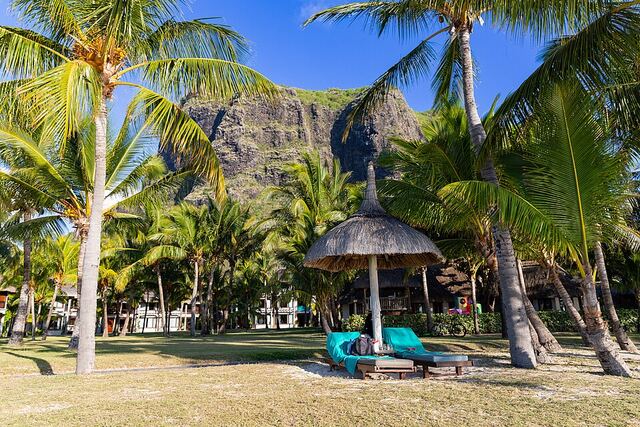
At the foot of Le Morne mountain, a lagoon in fifty shades of blue edged with immaculate sand and casuarinas. To the south, the 'One Eye' kitesurf spot ranks among the world's best.

A world-class spot: waist-deep turquoise lagoon for beginners, the legendary One Eye wave for experts, wind 300 days a year. Several schools right on the beach.

A large flat coconut island in the lagoon off La Gaulette, minutes away by boat. Photo stop at Crystal Rock, a coral boulder rising from turquoise water, and snorkeling in a natural aquarium.

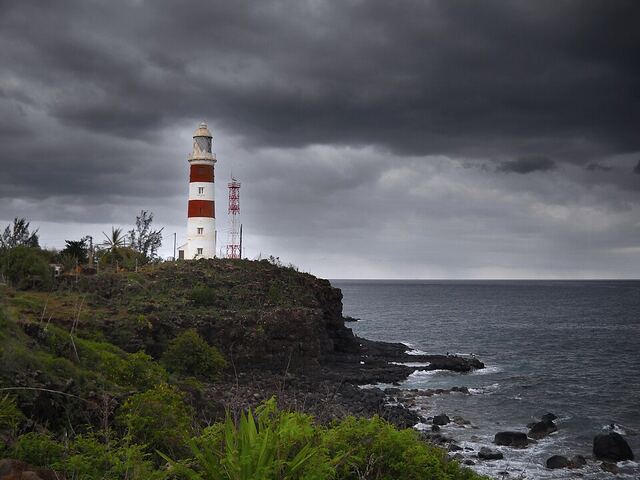
One of only two working lighthouses in Mauritius (1910), standing on a wave-battered volcanic cliff. A wild, quiet site with superb west-coast views and theatrical sunsets.

A popular seaside suburb at the gates of Port Louis, with a long local beach, food stalls and views over the capital's harbour. An authentic stop far from the hotel zones.

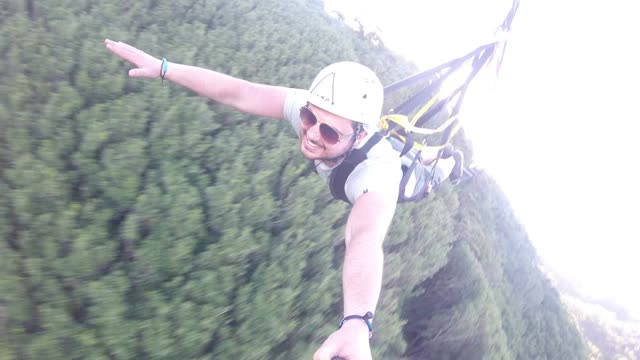
A huge adventure park against Rempart mountain: bus safari among zebras and ostriches, giant tortoises, panoramic aviary, ziplines, quads and canyon swing. The west coast's number-one family outing.

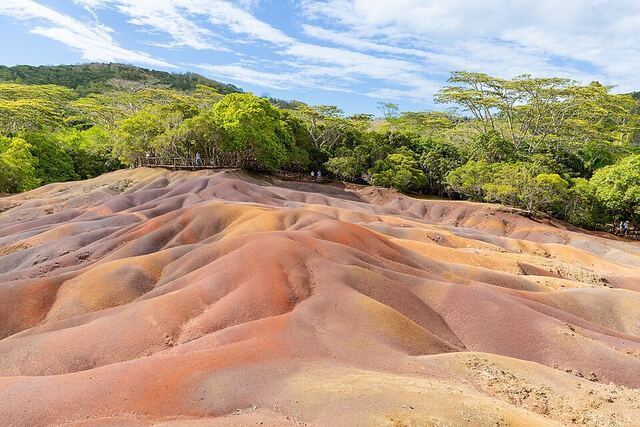
A unique geological phenomenon: volcanic clay dunes in seven ochre, red and violet hues that never mix. The geopark also hosts giant tortoises and the Chamarel waterfall lookout.

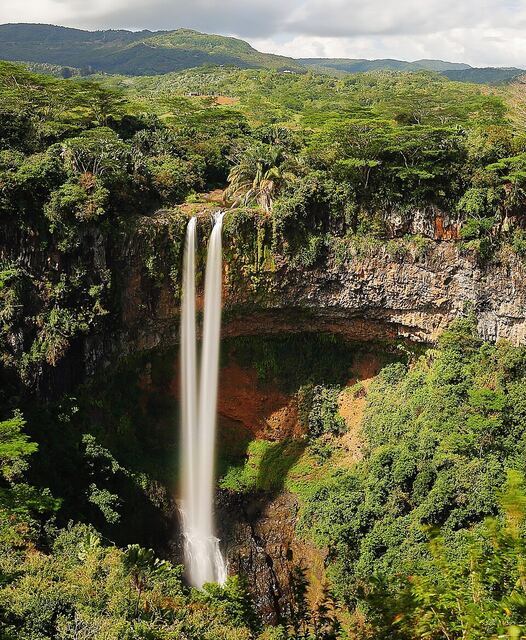
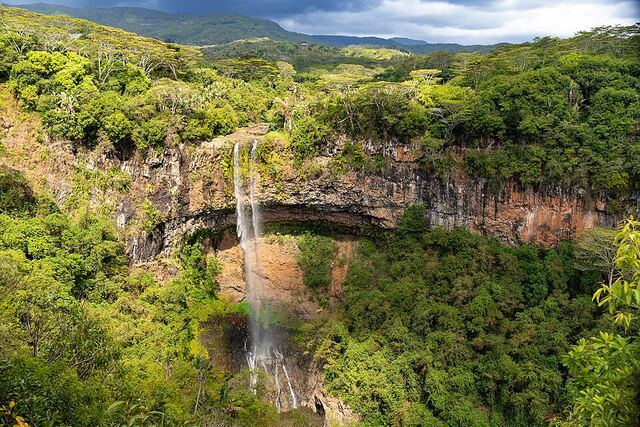
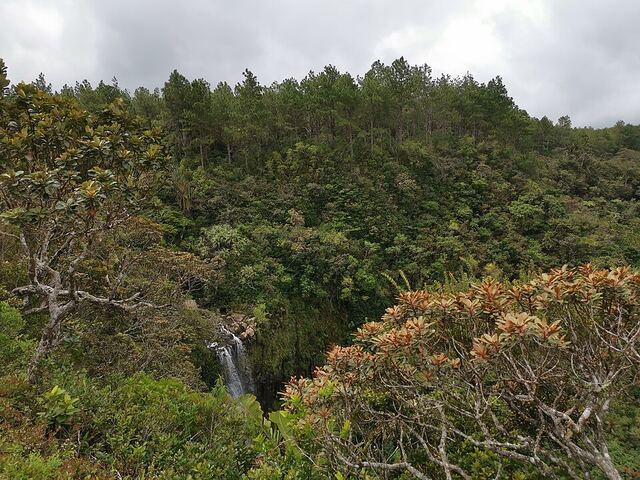
Mauritius's highest waterfall: a nearly 100 m curtain plunging from a basalt plateau into a lush green cirque. The viewing platform offers a striking panorama.

A craft distillery nestled among cane fields and mountains, producing award-winning agricole rum. Guided tour of the cellars and stills, followed by a full tasting.

A playful illusion house by the waterfall road: upside-down room, mirror maze and giant puzzles. A quirky break, a hit with children, on the Chamarel circuit.

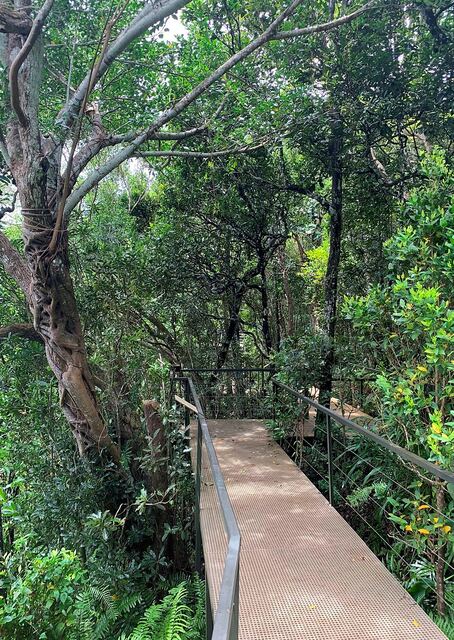
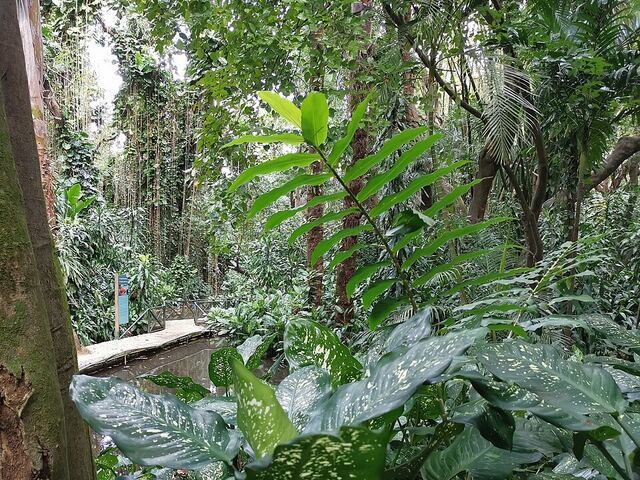
A conservation reserve for Mauritius's endemic forest: canopy-level walkways, replanted ebony trees and the Sublime Point lookout over Le Morne bay. Reintroduced pink pigeons and Mauritius fodies.

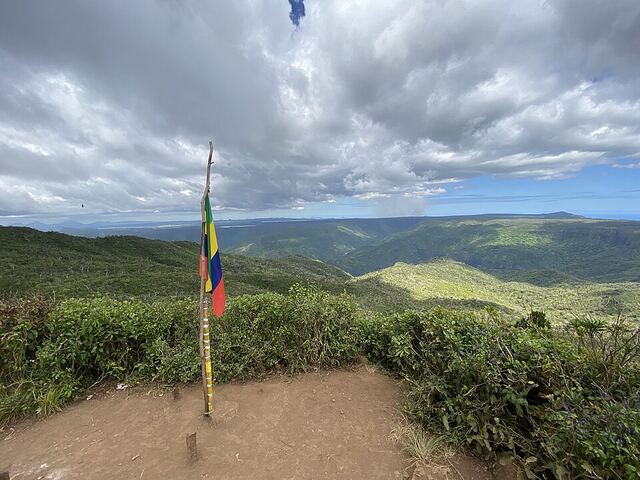
Mauritius's highest point (828 m), reached by a forest trail off the Plaine Champagne road. From the top, a 360° panorama over the gorges, Le Morne and the whole south-west.

A spectacular canyon where the Tamarin river tumbles down seven successive falls through dense tropical vegetation. Hiking, natural-pool swims and canyoning: the western highlands' adventure playground.

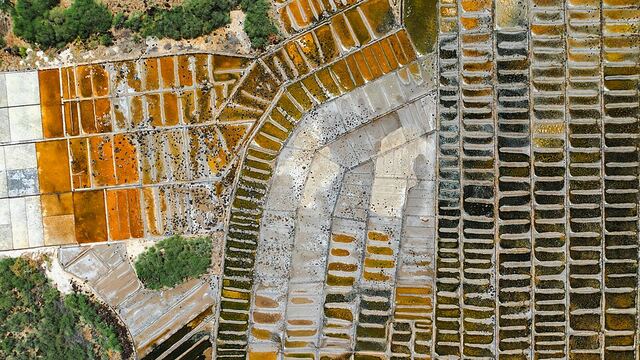
A checkerboard of pink and white pans where sea salt is still harvested by hand, as it has been since the 19th century. With Rempart mountain behind, one of the west coast's most singular landscapes.

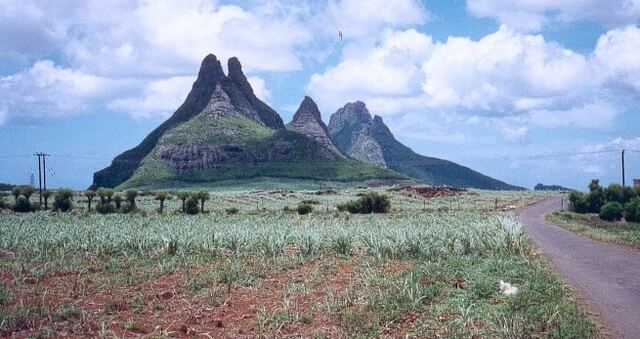
A trio of spectacular volcanic peaks above the Magenta plain. A short but steep climb (2h30-3h) with an airy finish on the central peak and views along the whole west coast to Le Morne.

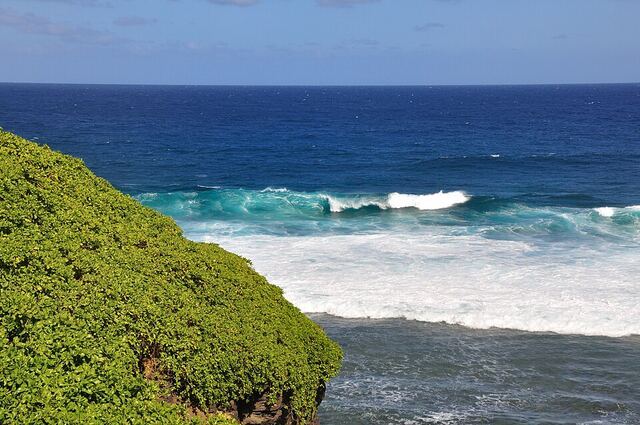
Spectacular cliffs where the ocean pounds the coast with no lagoon to shield it. The wild beach below and the clifftop lawn offer one of the island's most dramatic panoramas.

A few hundred metres from Gris Gris, this rocky headland seems to weep as waves break and stream down it. Some see in it the profile of Mauritian poet Robert-Edward Hart.

A small coastal village in the wild south, far from the tourist zones. Its wave-battered seafront, shady Telfair garden and fishing harbour make it an authentic stop on the southern road.

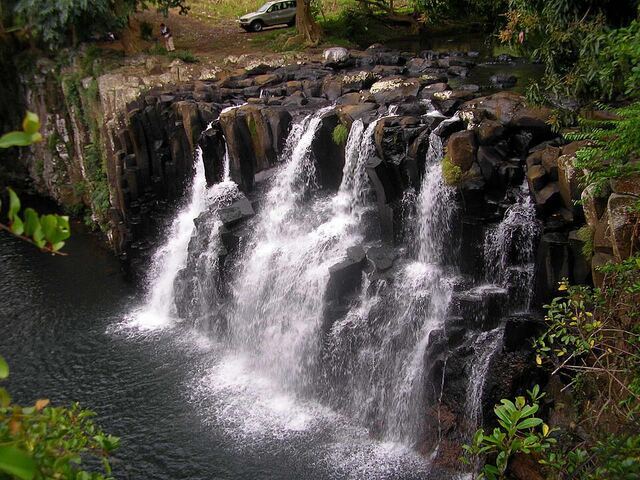
A one-of-a-kind waterfall: the water drops over rectangular basalt columns carved by erosion, in the middle of the cane fields. The bravest dive from the rocks.

A former sugar estate turned chic but unspoiled hotel coast, between calm lagoon and mountains. The public beach is superb and the Château de Bel Ombre recalls the colonial past.

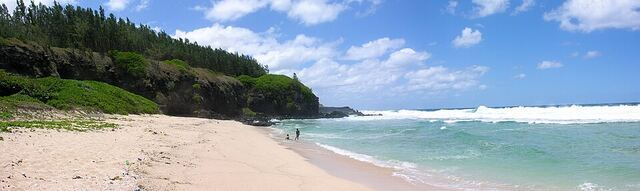
One of the south's wildest, most photogenic beaches, lined with casuarinas, with a turquoise lagoon and very few people on weekdays. The vibe remains deeply local.

A long pale-sand beach on a shallow lagoon, stretching into kilometres of near-deserted coast. Also famed for its 'energy corridors' that draw meditation enthusiasts.

A fishing village on a superb bay, along the island's most scenic coastal road between Le Morne and the wild south. The Matthew Flinders monument recalls the explorer's forced stopover in 1803.

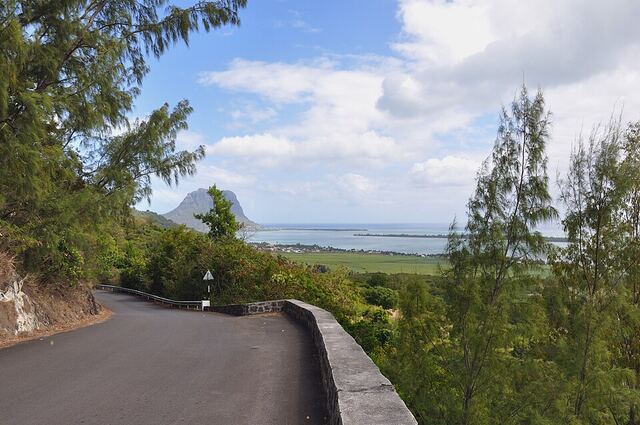
A legendary hairpin bend cut into the basalt, where a small lookout overhangs waves crashing on the rocks. Splendid view over the bay and the coastal road below.

Mauritius's largest tea plantation: factory tour, tea museum and a tasting in a hilltop pavilion with an unbeatable view down to the sea.

A fine 1819 colonial house at the heart of a sugar estate, gourmet stop on the Tea Route: agricole rum distillery, vanilla plantation and spice garden, then a Creole lunch on the veranda.
A 450-hectare nature park famous for its 23-coloured earth, waterfalls and south-coast viewpoints. Also a thrill hub: giant ziplines (including a 1.5 km one, among the world's longest), Nepalese bridge and mountain luge.

A reserve in a lush tropical valley, known for its hundreds of approachable Aldabra giant tortoises, Nile crocodiles and one of the world's richest insectariums. Ideal for families.

A protected marine park in fifty shades of blue, rated the island's best snorkeling spot for its corals and multicoloured fish. The public beach, lined with casuarinas, gets lively at weekends.

Between Mahebourg and Blue Bay, an unreally clear lagoon lined with charming villas. One of Mauritius's most beautiful shores, facing Ile aux Aigrettes.

A history-laden former port capital, facing the bay of the 1810 Battle of Grand Port. Its national history museum, waterfront and Monday market make it the south-east's most endearing town.

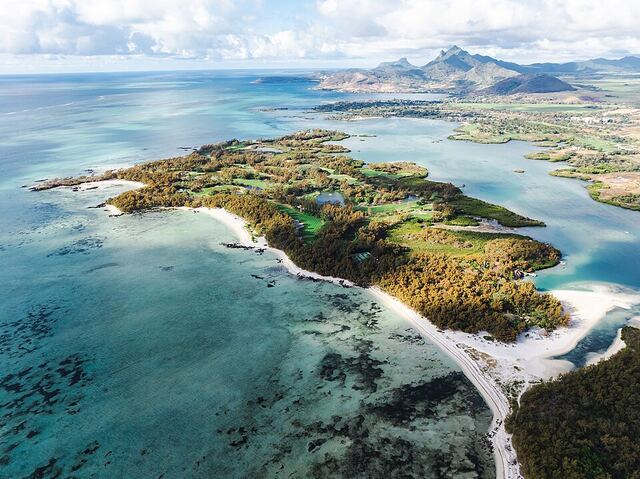
A coral islet and nature reserve, open-air laboratory of the Mauritian Wildlife Foundation: pink pigeons, kestrels, day geckos and giant tortoises in Mauritius's last intact coastal dry forest.

A 200-hectare forest reserve at the foot of the Grand Port range, sanctuary of endemic ebony trees and Mauritius kestrels. Hiking trails, 4x4 safari and a forest table d'hôte.

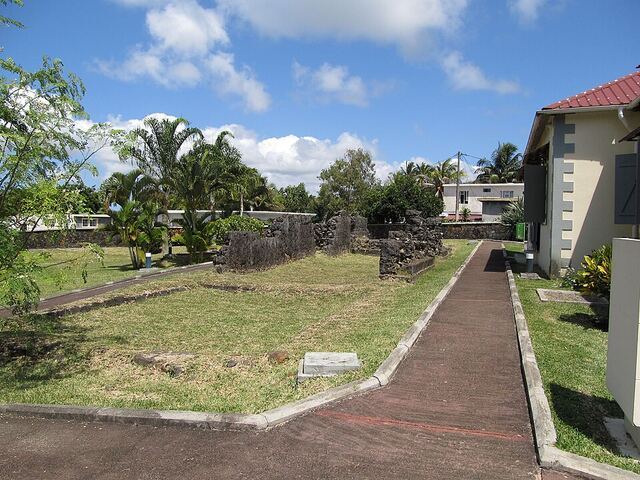
The cradle of Mauritian history: the Dutch landed here in 1598 and introduced sugar cane. The ruins of Fort Frederik Hendrik and its museum tell four centuries of history.

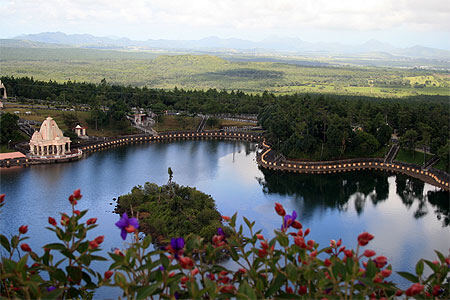
The sacred crater lake of Mauritian Hindus, watched over by a 33-metre Shiva statue, the island's tallest. Colourful temples, playful monkeys and highland mists create a uniquely mystical atmosphere.

A 700 m highland plateau crossed by Mauritius's highest scenic road, between Chinese-guava moors and native forest. Cool air, frequent mists and a string of viewpoints.

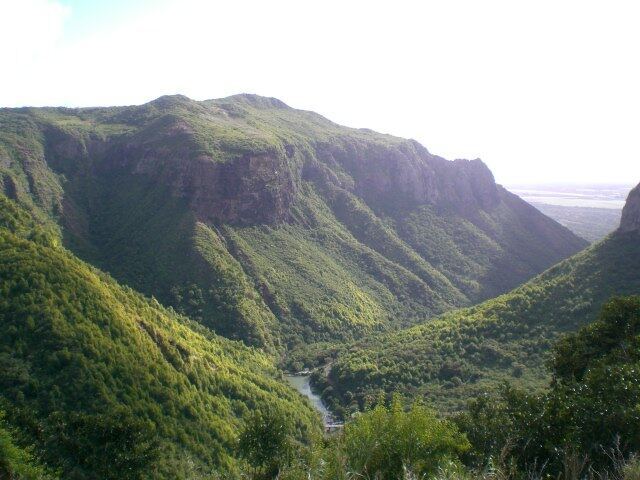
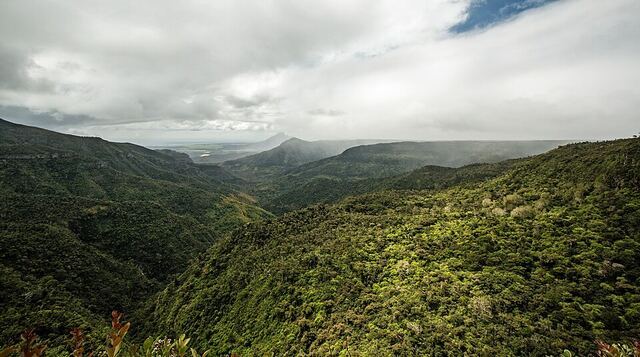
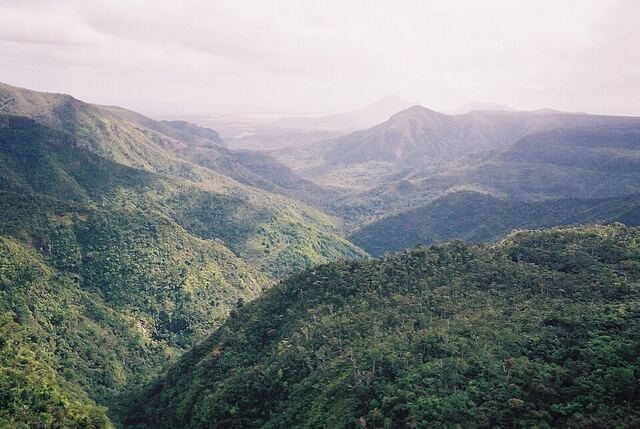
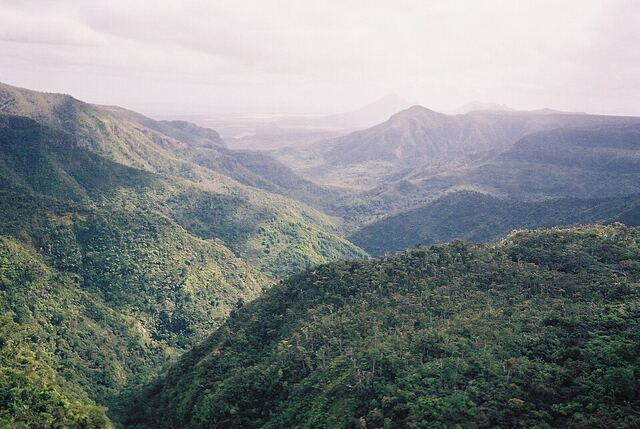
The island's most spectacular viewpoint: an amphitheatre of primary forest plunging towards the west coast, with endemic birds and fruit bats soaring below. Unmissable on the Plaine Champagne road.

From a walkway at 700 m, the view takes in the waterfall tumbling down the wooded cliff and the whole southern plain to the ocean. A short but memorable national-park stop.

Eastern gateway to the Black River Gorges National Park and trailhead of the big hikes (Macchabée, Mare Longue). Its fenced garden protects a rare sample of endemic flora.

Mauritius's largest national park: 6,750 hectares of primary forest, 60 km of marked trails and the last refuges of the pink pigeon and kestrel. The 10 km Macchabée trail from Pétrin to the visitor centre is a classic.

A vast powdery white-sand beach running for kilometres along a crystal lagoon. The east coast's postcard, famed for its blazing sunrises.

Belle Mare's quieter continuation, this casuarina-lined public beach offers the same white sand with fewer people. The lagoon turns spectacular shades of emerald.

A picturesque fishing village turned gateway to Ile aux Cerfs without losing its Creole soul. Waterside church, colourful boats and grilled-fish eateries.

The east coast's iconic lagoon island: white sandbanks, translucent water and coconut palms make it the dream setting for catamaran trips. 18-hole golf course and every water sport.

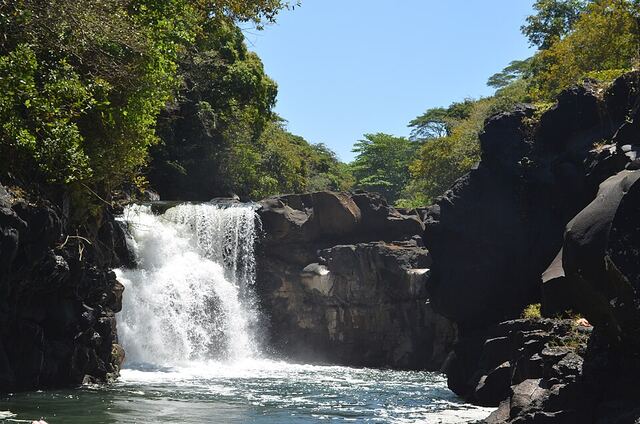
A wide, powerful waterfall dropping into the estuary of Mauritius's largest river, reached by boat from the lagoon. Cliff monkeys and the light on the water make it very photogenic.

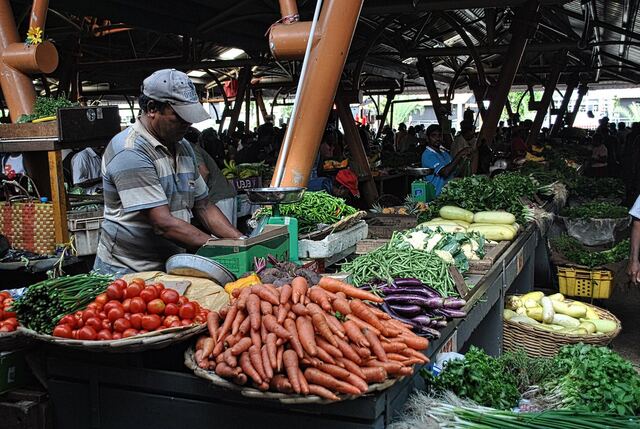
The island's largest open-air market, beating heart of the Mauritian east: mountains of vegetables, spices, textiles and Creole street food. Total immersion in local life.

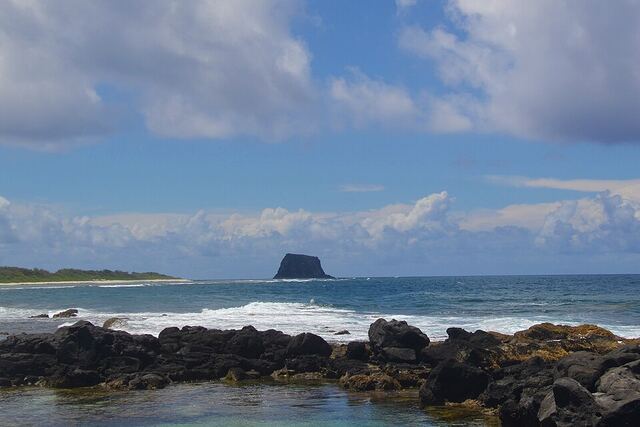
A wild coast strewn with black volcanic rock, hiding lava caves and natural pools. The contrast of dark basalt, pale sand and shallow lagoon makes for singular scenery.

A windswept wild beach in the north-east, loved by kitesurfers and shore anglers. Rocky coves and a breeze-ruffled lagoon, for those after a raw, empty Mauritius.

A little-known national park over an old mahogany and eucalyptus forest, refuge of the rare Mauritius paradise flycatcher. Flat shady trails, sugar-mill ruins and lily ponds.

A catamaran day from Trou d'Eau Douce: the Grande Rivière Sud-Est waterfall, lagoon snorkeling, BBQ on board, then free time on the Ile aux Cerfs beach.
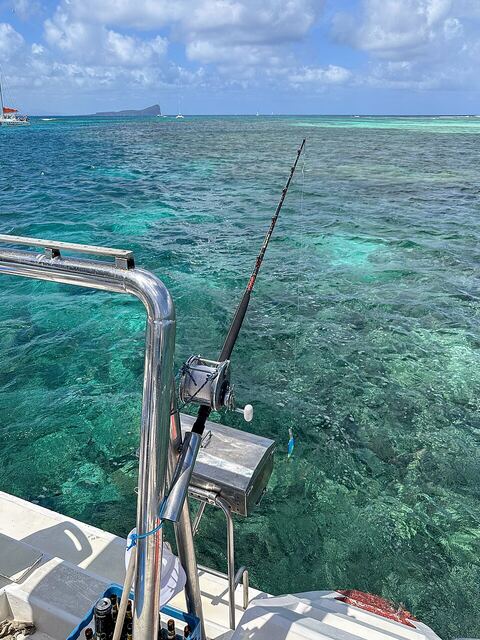
A 20-minute walk on the lagoon floor at 3-4 m depth wearing an air-fed diving helmet: dry hair, glasses allowed, fish fed by hand. No swimming skills needed.

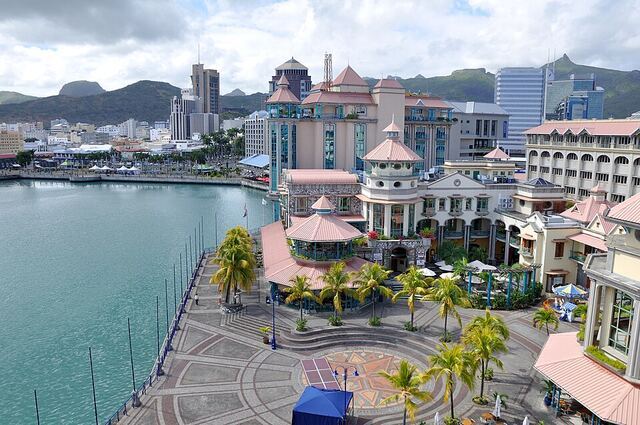
Port Louis's iconic waterfront with its hanging umbrellas, shops, craft market and harbourside restaurants. The ideal starting point for exploring the capital on foot.

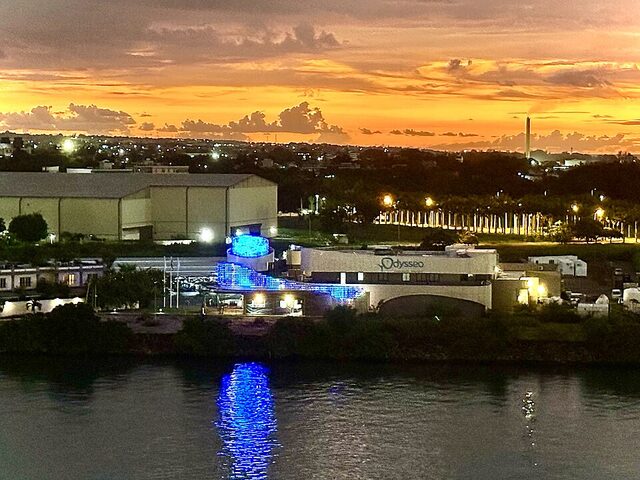
Opened in 2021 at Les Salines, the first oceanarium in the Mascarenes: 45 tanks, 3,500 animals and 200 Indian Ocean species across 5,500 m². A modern, educational visit, ideal with kids or on a cloudy day.

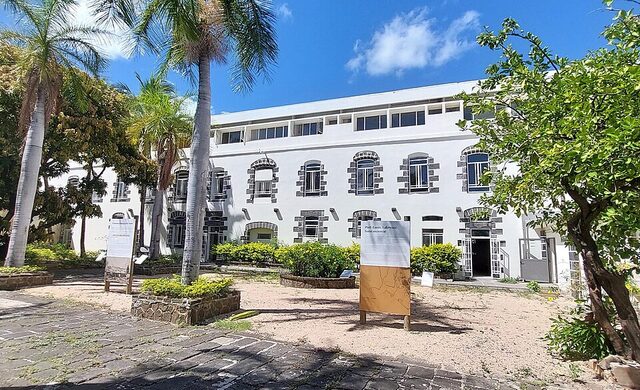
Opened in 2023 in the former military hospital of 1740 (the island's oldest building), this museum traces the history of slavery in Mauritius: enslaved people's personal effects, archives and the moving Froberville busts (1846).
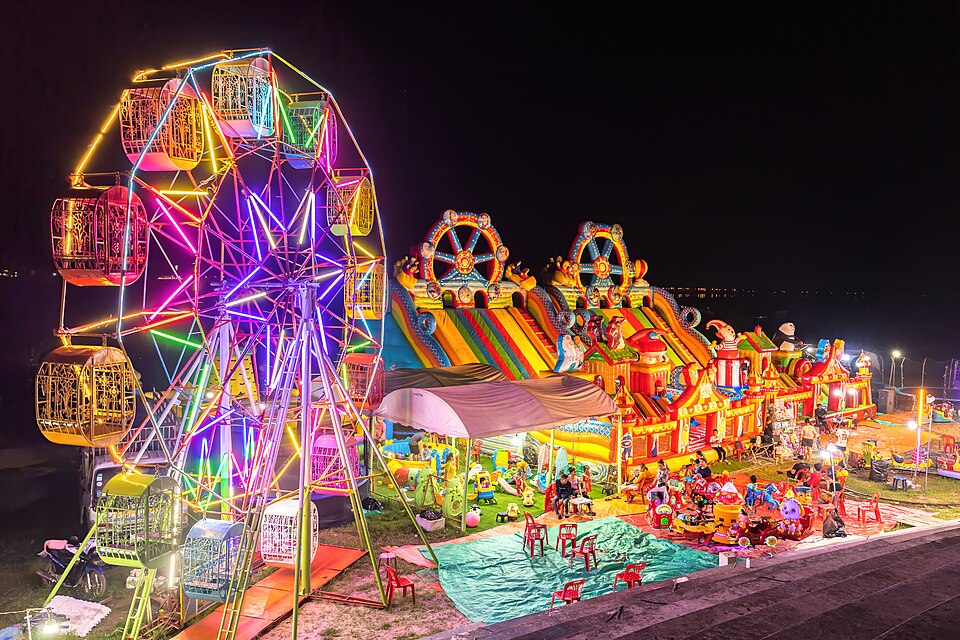
A brand-new open-air amusement park opened in July 2026 on the Tribeca Mall esplanade in Trianon: Megatron, Tower of Terror, Superslide and rides for everyone from age 3. A handy family outing in the island's centre, easy to pair with the mall.
The island's biggest mall, in Moka: 150+ shops (international brands and local designers), food court, cinema and events. The go-to rainy-day outing and the duty-free shopping stop for travellers.
A modern mall in Trianon on the island's central corridor: shops, restaurants and a supermarket, with the brand-new Fun Park on its esplanade. A convenient stop between Port Louis and the highlands.
The highlands' other big mall, in Phoenix: local and international brands, a food court and regular events. Less touristy than Bagatelle, this is where Mauritians actually shop.

An institution since Victorian times, the central bazaar brims with tropical fruit, herbal teas, souvenirs and street food. This is where you feel the capital's pulse, between dholl puri stalls and hawkers.

A UNESCO World Heritage site, this immigration depot processed half a million Indian indentured labourers between 1849 and 1923. A founding memorial of Mauritian identity.

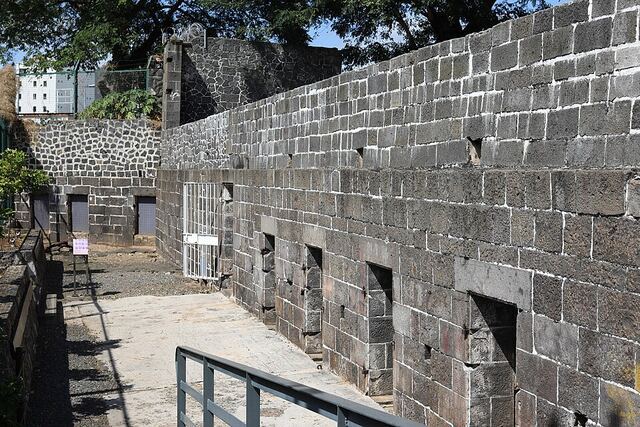
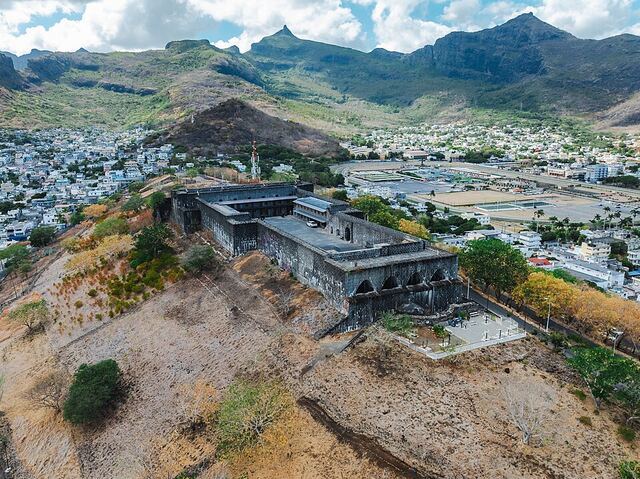
A black-basalt British fortress completed in 1840, perched on a hill above Port Louis. Climb up for the 360° view of the city, harbour, Champ de Mars and the Moka range.

Between its two friendship gates, Chinatown lines up pagodas, century-old shops, street art and eateries serving dumplings and fried noodles. Mauritian multiculturalism distilled into a few streets.

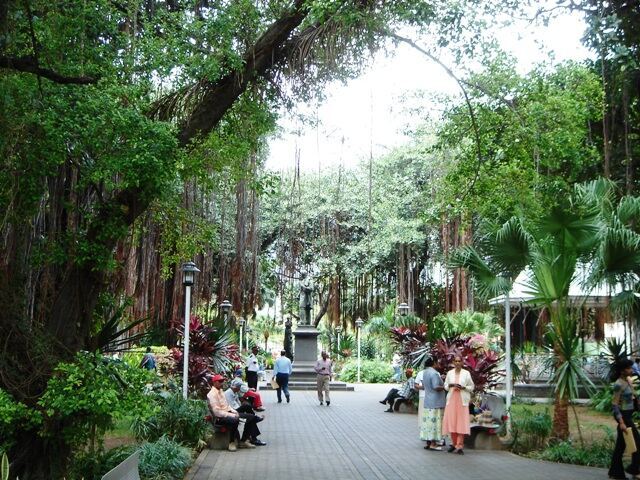
The capital's historic green lung, planted with giant banyans and dotted with statues. The French East India Company's former vegetable garden, now Port Louis's shady breather.

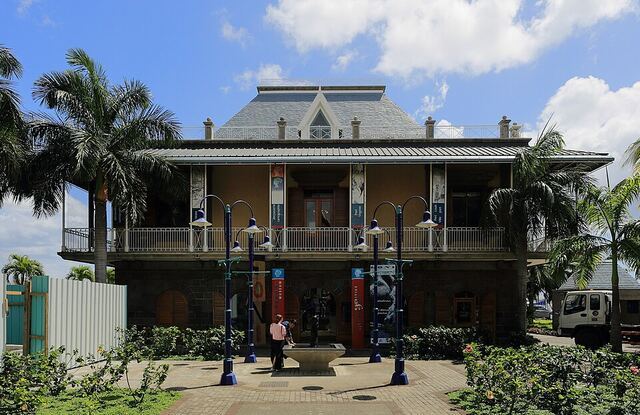
The Caudan museum holds the legendary red and blue 'Post Office' stamps of 1847, among the world's rarest, plus the original Paul and Virginie statue.

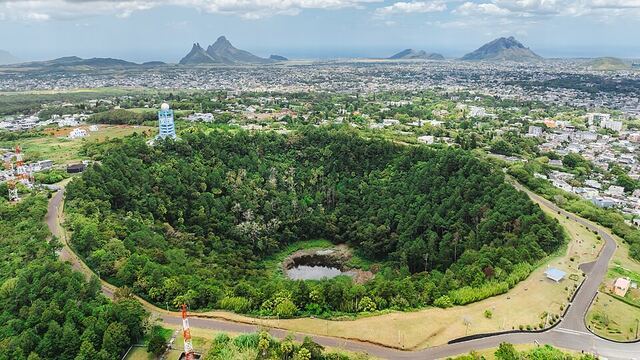
A dormant volcano crater 300 m across in the middle of Curepipe, ringed by a shady promenade. On a clear day the panorama spans the central plateau all the way to Coin de Mire.
An upscale highland residential area with a cool climate, historically tied to luxury knitwear. Come for the factory shops (cashmere, wool) and peaceful tree-lined avenues.

The central plateau's 'town of flowers', known for its big textile market and lively fair. A very local shopping and street-food stop at the foot of Corps de Garde mountain.

The plateau's student and arts town, around the Plaza theatre, a 1933 architectural gem, and the commercial Arab Town. A lively urban stop between Port Louis and Curepipe.

A sumptuous 1830 Creole mansion with 109 doors and windows, set at the foot of Ory mountain facing Pieter Both. Period furniture, verandas, tropical garden and the Moka river waterfalls.

The island's third peak (812 m), shaped like a raised thumb and once climbed by Charles Darwin. An accessible hike (2h30-3h return from La Laura) ending in a short rocky scramble and an unforgettable panorama.

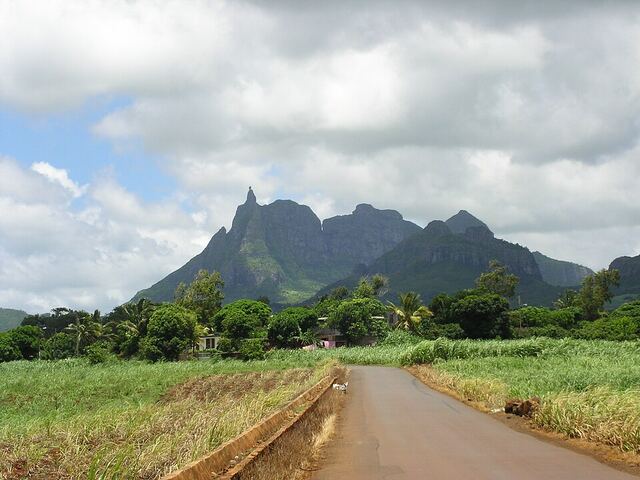
Mauritius's iconic mountain (820 m), topped by a balanced head-shaped boulder. The bolted final climb requires a guide; the trail to the shoulder already offers splendid views.

A crouching-lion silhouette watching over Grand Port bay, this 480 m mountain offers one of the island's finest short hikes. The summit ridge rewards you with a plunging view over the south-east lagoon.

A vast 1,200-hectare nature estate in the eastern hills and valleys, an outdoor paradise: quad, buggy, ziplines, horse riding and mountain biking. Java deer and savannah views along the way.

Port Louis's urban hike: a broad track climbing to 323 m above the capital, ideal at sunset when the city and harbour light up.
Compare local agencies' cars, free cancellation, pay on pickup. The whole island within reach.